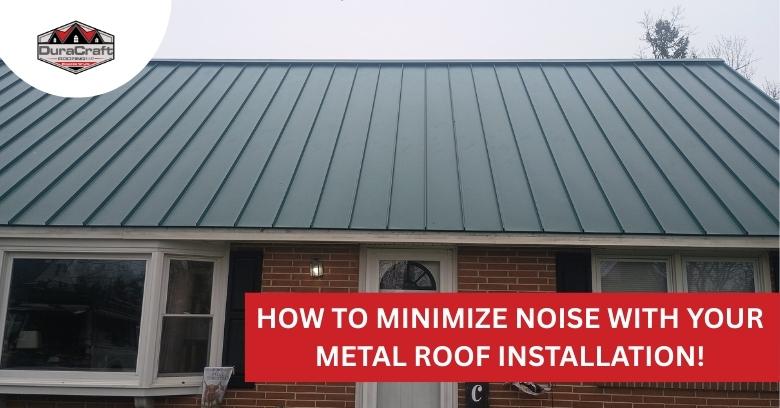
Metal roofing is more than just a modern design trend, it is a smart investment in the future of your home or business. From the rolling farmlands around Lancaster County to the charming historic towns scattered throughout Pennsylvania, metal roofs have become synonymous with longevity and energy efficiency. But amidst the enthusiastic adoption of metal roofing, concerns about noise have persisted. Is it true that a metal roof will turn every rainfall into a cacophony inside your home? Or can a metal roofing contractor deliver sound-mitigated results that offer both peace of mind and protection?
Understanding the root of these concerns is key. By its very nature, metal is an excellent conductor of sound, so when unmitigated, raindrops or hail striking a bare sheet can create noticeable noise; however, modern metal roofing systems are far from the simple tin roofs of decades past. They involve layers of specialized materials, expertly engineered fasteners, and sophisticated installation techniques. All of these can substantially reduce or nearly eliminate roof noise.
This is where the expertise of a local metal roofing contractor truly shines. In Lancaster County Pennsylvania, contractors have developed a keen awareness of regional weather patterns and building codes, enabling them to recommend roofing solutions that are both durable and quiet. The process extends far beyond simply choosing a metal panel; it is about creating a system that meets your acoustic, thermal, and aesthetic needs.
In the sections that follow, we will explore the science of metal roofing noise, analyze the most effective insulation strategies, discuss the importance of structural underlays, and share the real-world experiences of homeowners and businesses in Lancaster County. We will also address some of the most common questions about metal roof noise so that you can move forward with confidence. Whether you already have a metal roof or are considering making the switch, this guide will provide practical tips to maximize tranquility in your living or working space.
Metal Roofing Noise: Myths vs Reality
Let's tackle the most persistent misconception first: metal roofs are not inherently loud. What often determines the sound factor is how the roofing system is assembled. A metal roof installed over an open frame as commonly seen in older agricultural buildings can be quite noisy because there is no buffer between the metal and the structure beneath. In contrast, a properly installed metal roof over a solid deck using insulation and quality underlayment drastically reduces noise, often making it quieter than asphalt shingles.
Why Does Metal Roofing Make Noise?
To minimize noise, it is essential first to understand why it occurs. Metal roofs are made from thin panels, usually steel, aluminum, or copper, that are excellent at transmitting sound. When heavy rain or hail hits these panels, they vibrate and can amplify sound into the building below.
The level of noise is largely determined by:
- The thickness and type of metal used
- The presence or absence of acoustic and thermal insulation
- The roof's structural system, whether the metal is installed directly over open rafters or a solid deck
- The installation quality and use of underlayment by your metal roofing contractor
In older installations or DIY projects where these factors are not addressed, you will find that noise can be a legitimate issue. In contrast, most modern metal roof installations in Lancaster County are built to far higher standards, drastically reducing sound transmission.
The Role of Professional Metal Roofing Contractors
The difference between a noisy and a whisper-quiet metal roof often comes down to who installs it. A professional metal roofing contractor brings knowledge of the latest materials, advanced tools, and proven installation techniques. Here is what leading contractors in Lancaster County Pennsylvania focus on:
- Solid Roof Decking: Instead of mounting metal panels over open rafters, trained contractors use solid decking, usually plywood or oriented strand board, as a base layer. This provides rigidity and absorbs sound.
- Quality Underlayment: Modern underlayment serves as both a moisture barrier and a sound dampener. Self-adhering rubberized sheets, synthetic felt, or other acoustically insulated materials can dramatically cut sound.
- Insulation Integration: Adding attic or ceiling insulation between the roof and living spaces further absorbs sound energy. This could be batt insulation, blown-in cellulose, or rigid foam panels.
- Mechanical Fastening: Properly spaced and secured fasteners reduce panel vibration and prevent oil canning, a phenomenon that can create popping or creaking sounds due to temperature fluctuations.
- Panel Selection: Thicker, high-quality metal panels with textured finishes such as stone-coated steel further blunt the impact of rain and hail.
Strategies to Minimize Metal Roofing Noise
1. Insulation Matters: Choices and Installation Tips
The best soundproofing systems start with effective insulation. In Lancaster County, where winters can be cold and summers humid, insulation serves a dual purpose for both thermal and acoustic management.
Popular options include:
- Fiberglass Batts: A cost-effective option that works well in attics and between joists. It absorbs both airborne and impact noise.
- Blown-In Cellulose: Made from recycled paper, this fills odd-shaped cavities and provides excellent sound attenuation.
- Spray Foam Insulation: Adheres to every surface, blocking sound leaks and sealing air gaps.
- Rigid Foam Board: Often installed above the roof deck for superior thermal and sound performance.
The placement of insulation is also crucial. For maximum sound reduction, insulation should cover all areas below the metal panels, including attics, rafters, and cavities between joists.
2. Underlayment: The Unsung Hero
A high-quality underlayment does more than keep moisture away from your roof deck. Synthetic, rubberized, or felt-based underlayment decouples metal panels from the structure below, acting as an acoustic break. Combining synthetic underlayment with insulation can often reduce roof noise to levels comparable to those of asphalt shingle roofs.
A trusted metal roofing contractor in Lancaster County will know which underlayment work best with the local climate and can advise on products that provide both waterproofing and maximum sound dampening.
3. Choosing the Right Metal Panels
Not all metal panels are created equal. Heavier-gauge panels are less prone to resonating like a drum and tend to be much quieter. Furthermore, panels with added texture or coating, such as granulated stone or embossed finishes, break up the impact of raindrops and hail, softening sound transmission.
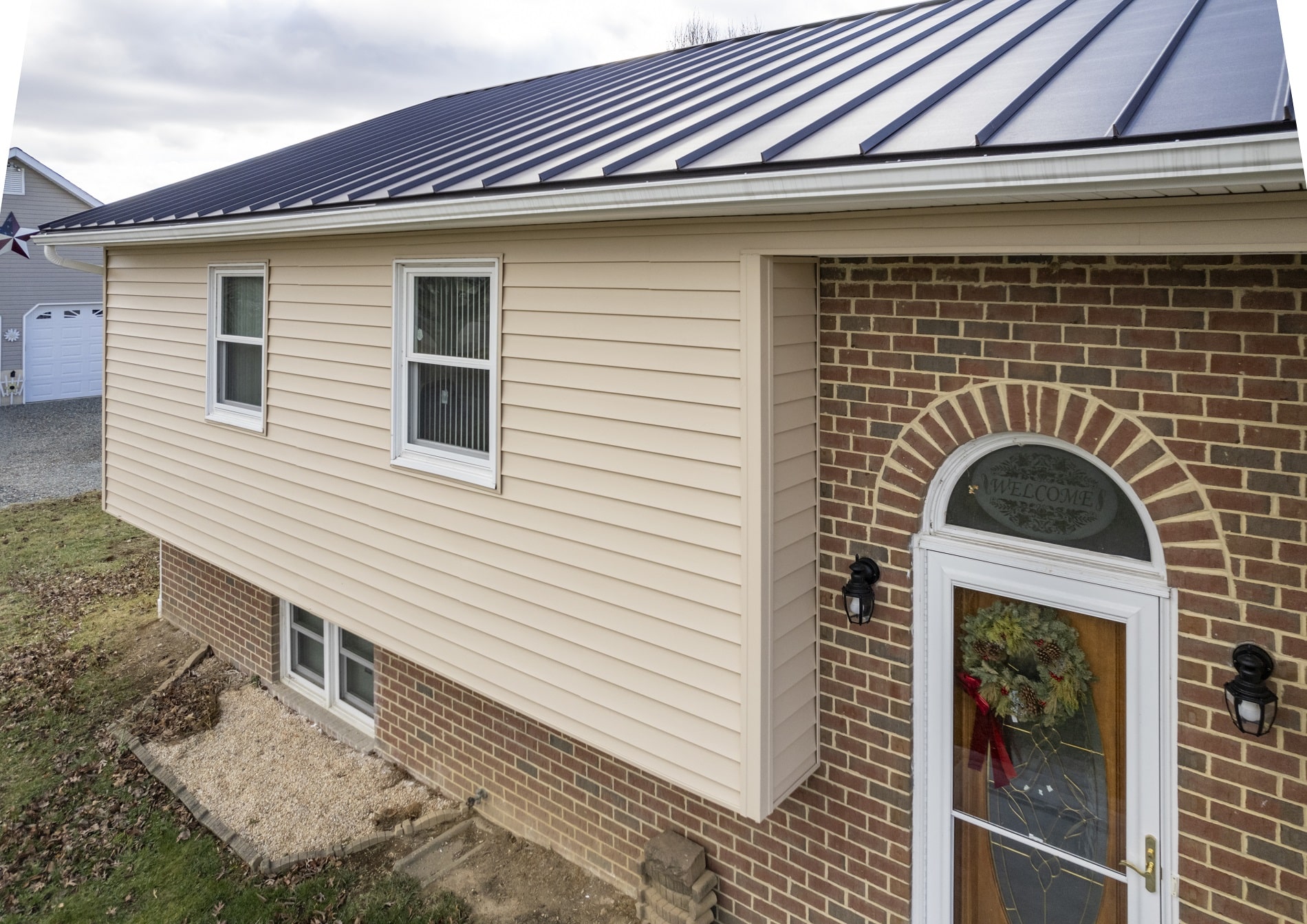
Standing seam metal roofs, often recommended by Lancaster County contractors, have concealed fasteners and interlocking seams for even greater sound reduction. These systems offer an exceptionally clean look and high performance, making them a favorite among homeowners in Pennsylvania.
4. Ventilation and Air Gaps
Proper ventilation is not just about moisture control; it is also a factor in managing noise. Roofs designed with vented airspaces or acoustic barriers allow sound waves to dissipate before entering living spaces.
In many modern installations, a metal roofing contractor will recommend either a vented attic or the addition of furring strips between the roof deck and metal panels, further isolating the sound.
Local Considerations in Lancaster County
Residents of Lancaster County Pennsylvania are no strangers to heavy rain, hail, and even the occasional thunderstorm. As a result, many metal roofing contractors in the area have refined their system designs to accommodate these conditions. By working with a contractor familiar with local building codes and weather, you are more likely to end up with a roof system that's not only weather-tight and energy-efficient, but also remarkably quiet.
Real-World Experiences
Many homeowners in Lancaster County are surprised to learn how peaceful a modern metal roof can be. When installed with the right combination of underlayment and insulation, a metal roof will often produce less interior noise than an old, uninsulated shingle roof. Local contractors point to increasing numbers of repeat customers, homeowners who upgrade to metal after seeing and hearing the difference for themselves on neighbors' homes.
Maintenance and Long-Term Noise Control
Once your metal roof is installed, ongoing maintenance can also help keep things quiet. Regular inspections will make certain all fasteners are tight, panels are flush, and no gaps have developed where sound might enter. If you notice an increase in noise, it could be a sign of loose panels, missing insulation, or other issues that a qualified metal roofing contractor should address promptly.
Conclusion
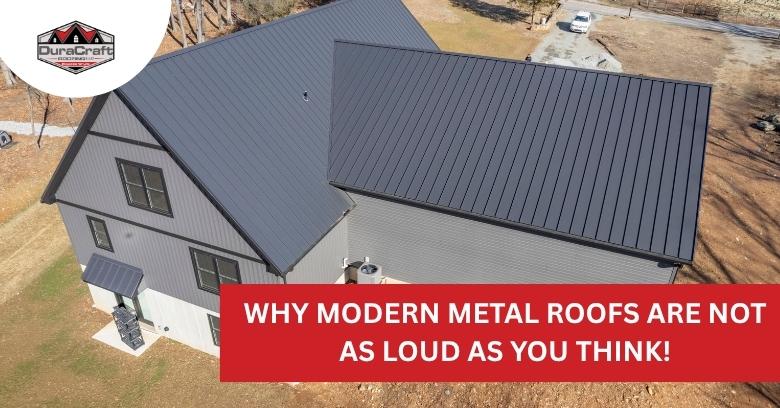
Noise concerns around metal roofing are often rooted in outdated information. Thanks to advances in materials, underlayment, and installation techniques, today's metal roofs are as quiet as or quieter than traditional roofing systems. In Lancaster County Pennsylvania, where weather extremes and architectural variety demand reliable solutions, choosing a metal roof no longer means sacrificing peace and quiet.
Working with a knowledgeable metal roofing contractor is the key to success. They will guide you in selecting high-quality materials and see to it your roof is expertly installed over solid decking, with premium underlayment, and all the right finishes for your unique property. The result? A roof that stands up to Lancaster's storms, resists fire, lowers your utility bills, and creates a calm, comfortable indoor environment.
If you are planning a roof upgrade or new build in Lancaster County, put your mind at ease. With the right choices and a trusted contractor, you can enjoy the superior performance of metal roofing without the unwanted soundtrack. Ready to silence the myths and the raindrops? Contact your local metal roofing contractor and discover just how quiet and resilient your new roof can be!
Key Takeaways
- Choose an Experienced Metal Roofing Contractor: The best results come from professionals who understand the latest noise-reducing techniques and local climate demands.
- Use Solid Roof Decking: A solid wood or engineered board under your metal roof dramatically reduces vibration and sound transmission.
- Invest in Quality Underlayment: Modern underlayment materials, such as synthetic or rubberized sheets, act as effective sound barriers and moisture protectors.
- Prioritize Insulation: Whether using fiberglass batts, spray foam, or rigid boards, proper insulation beneath your metal roof is crucial for minimizing noise and improving energy efficiency.
- Select Thicker, Textured Panels: Heavier gauge and textured or stone-coated metal panels help absorb and diffuse impact noise from rain and hail.
- Ensure Proper Fastening: Secure, consistent fastening mitigates oil canning and other vibrations that contribute to noise issues.
- Incorporate Ventilation and Air Gaps: Design elements such as vented attics or furring strips can further isolate sound, enhancing comfort within your building.
- Work with Local Experts: Contractors familiar with Lancaster County understand the region's unique weather conditions and can recommend the best solutions tailored to local needs.
- Maintain Your Roof: Regular inspections catch potential issues before they create noise problems, making sure of ongoing tranquility.
- Ask for References and Examples: Seeing and hearing the results on other homes or businesses gives you confidence in your contractor's ability to deliver a quiet, durable roof.
FAQs
1. Is metal roofing always noisier than shingles?
No, when installed properly with quality underlayment and insulation, metal roofing can be just as quiet or even quieter than traditional shingle roofs.
2. What is the best way to reduce noise from a metal roof?
Focus on using solid roof decking, superior underlayment, effective insulation, and secure panel fastening, all standard practices for Lancaster County's top metal roofing contractors.
3. Does the color or finish of the metal roof affect the noise level?
While color does not break up impact noise, slightly reducing sound transfer.
4. Will adding insulation alone solve all roof noise issues?
Insulation greatly reduces noise but works best in conjunction with a high-quality underlayment and proper installation by a professional metal roofing contractor.
5. Do lighter gauge namely thinner metal panels create more noise?
Yes, thinner panels are more prone to vibration and noise than heavier gauge materials. Always choose thicker panels for quieter performance.
6. Are there different underlayment options for reducing metal roof noise?
Yes, synthetic, rubberized, and felt underlayment all offer varying degrees of sound dampening. A knowledgeable contractor can recommend the best fit for your home in Lancaster County Pennsylvania.
7. How important is the attic's construction in noise reduction?
A well-insulated and properly ventilated attic further quiets interior spaces, making attic construction crucial in overall noise management for metal roofs.
8. Can metal roofing contractors retrofit existing roofs to be quieter?
Absolutely. Adding new underlayment, insulation, or even overlaying a new metal roof can all improve sound reduction, even on existing structures.
9. Is maintenance important for keeping a metal roof quiet?
Yes, regular inspections and tightening of fasteners prevent panel movement and gaps that might otherwise cause noise.
10. Who should I contact for metal roofing solutions in Lancaster County, Pennsylvania?
Seek out experienced local metal roofing contractors with proven track records, knowledge of regional weather, and a reputation for delivering quiet, durable installations.